Pond, Lake, and Stormwater Management in Myrtle Beach
Serving Myrtle Beach, North Myrtle Beach, Conway, Carolina Forest, Surfside Beach, and the Grand Strand.
Grand Strand Water Management for Coastal Properties
The Grand Strand stretches along one of the most developed coastlines in South Carolina, and every golf course community, resort property, and residential HOA in Horry and Georgetown counties relies on ponds and stormwater systems to manage runoff. Flat terrain, sandy soils, a high water table, and intense seasonal rainfall make this area particularly demanding for water management infrastructure.
Our Myrtle Beach team manages pond upkeep, stormwater facility inspections and routine maintenance, corrective repairs, fountain and aeration service, bank repair, dredging, and vegetation control across the Grand Strand market. Coastal properties in the eight South Carolina Coastal Zone counties fall under additional regulatory oversight from the Department of Environmental Services Bureau of Coastal Management, and our team navigates those requirements on behalf of property owners.
Reach out to Dragonfly Pond Works to arrange a site assessment for your Grand Strand pond, lake, or stormwater facility.
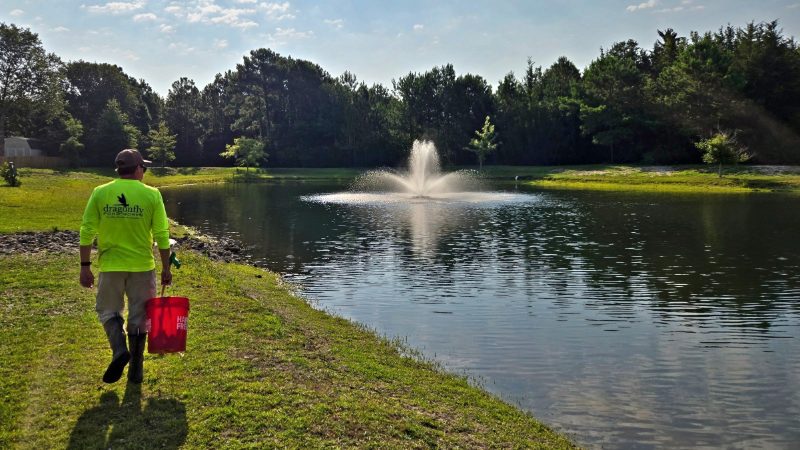
Pond service in a Myrtle Beach golf course community
Area Services
We provide lake, pond, and stormwater management services across the Grand Strand. Select a category to explore all services available at this location.


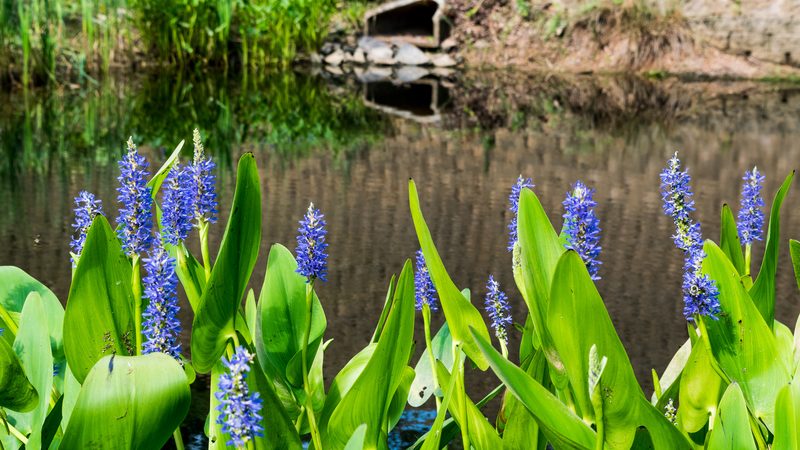

Recent Projects on the Grand Strand
What Clients Are Saying
Myrtle Beach Coverage Area
Our Myrtle Beach coverage extends across Horry and Georgetown counties along the Grand Strand. The region has one of the highest concentrations of golf course communities and master-planned developments in the Southeast, and each carries multiple lakes and ponds that require regular maintenance. South Carolina Department of Environmental Services regulations require property owners to maintain Best Management Practices in working condition, and Horry County enforces local stormwater ordinances for new and existing development. We serve the following communities:
- Myrtle Beach
- North Myrtle Beach
- Carolina Forest
- Conway
- Surfside Beach
- Garden City Beach
- Murrells Inlet
- Litchfield Beach
- Pawleys Island
- Georgetown
- Little River
- Longs
- Loris
- Aynor
- Socastee
- Forestbrook
- Red Hill
- Bucksport
- Andrews
- Moncks Corner
Frequently Asked Questions
Answers to some of the most frequently asked questions in the area. From local rules to algae, we've got you covered. If you have a different question, contact us.
Warm coastal temperatures, heavy fertilizer use on golf courses and residential lawns, and flat terrain that slows water movement all contribute to nutrient loading in Grand Strand ponds. These conditions fuel algae blooms from late spring through fall. Our team manages algae with targeted treatments, aeration improvements, and nutrient reduction strategies designed for coastal Horry County conditions.
Yes. If the ponds are part of a permitted stormwater management system, the property owner is responsible for their upkeep. The South Carolina Department of Environmental Services and local Horry County ordinances both hold property owners accountable for maintaining Best Management Practices. Dragonfly Pond Works handles inspections, maintenance, and compliance documentation on behalf of HOA boards and property managers.
Coastal ponds along the Grand Strand commonly deal with torpedo grass, alligatorweed, cattails, and water primrose. We use licensed herbicide applications, mechanical removal, and management plans that target specific species without harming desirable plantings. Each plan accounts for how the pond is used and any downstream discharge requirements.
Yes. We maintain ponds, fountains, aeration systems, and stormwater infrastructure for golf course properties across the Grand Strand. Our service programs are designed to keep water features looking good for residents and guests while meeting stormwater compliance obligations tied to course development permits.
Hurricanes and tropical storms push debris, sediment, and sometimes saltwater into stormwater ponds and outfall structures. After a major event, systems need inspection, debris removal, and often structural repairs to risers, pipes, and embankments. Our team mobilizes after storms to assess and restore affected facilities.
Yes. Low-impact hydraulic dredging is the most common method we use for Grand Strand ponds because it allows sediment removal without draining the pond. Sandy coastal soils mixed with organic buildup reduce storage capacity over time, and removing that material restores both volume and water quality.