
Branch Locations:
Raleigh-Durham, Charlotte, Winston-Salem / Greensboro, Wilmington, Myrtle Beach, Charleston, Greenville-Spartanburg, Atlanta, Savannah, Orlando, Tampa, Virginia Beach, Fairfax, Montgomery County, Lewes, Chicago, Houston, Dallas-Fort Worth, San Marcos Corridor, Nashville
Have a multi-site footprint? Learn how we can work with you
Service DescriptioN
About Our Wetland Restoration Service
Wetland restoration is the process of returning a damaged or degraded wetland to a healthy, functioning state so it can filter water, hold floodwater, and support wildlife again.
Some wetlands have been filled, drained, or cut off from the water sources that once fed them. Others have lost native plant cover to invasive species, erosion, or changes in surrounding land use. Restoration work addresses those problems at the source.
Dragonfly Pond Works designs and builds restoration projects that reconnect water flow, reshape grading, and reestablish native plant communities. We also construct new wetlands where site conditions and permits allow.

Key Benefits of Wetland Restoration
Cleaner Water Leaving the Site
A functioning wetland filters sediment, nutrients, and pollutants before water moves downstream. Restoration brings that natural treatment capacity back online.
Flood Storage That Works With the Land
Wetlands hold and slow stormwater during heavy rain. Restoring that capacity reduces flooding on surrounding roads, fields, and properties.
Habitat Wildlife Can Use
Native wetland plants, open water, and varied depths give birds, amphibians, and fish the food and cover they need to breed and feed.
Permit and Mitigation Credit
Many restoration and creation projects generate mitigation credits or satisfy permit conditions. We prepare the documentation regulators require.
Erosion Held in Place
Restored plant cover and proper grading stabilize banks and channels that were actively eroding.
A Lasting Investment
Well-designed wetland restoration is built to sustain itself over time, reducing the need for repeated intervention.
From The Field
Service Photos

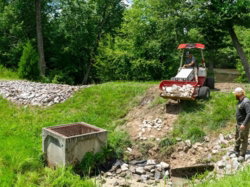
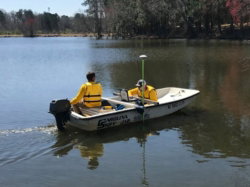
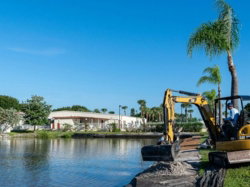
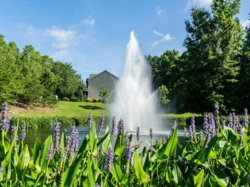
How It Works
Site Assessment
We survey the wetland, map existing conditions, and identify the causes of degradation.
Design and Permitting
We develop a restoration plan with grading, hydrology, and planting details, then secure the permits the project requires.
Earthwork and Hydrology
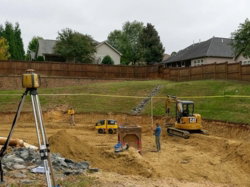
Crews reshape the site, remove fill, and reconnect or redirect water sources so the wetland receives the flow it needs.
Native Planting
We install native wetland species chosen for the site conditions, planting at densities that promote rapid establishment.
Monitoring and Adaptive Management
We track plant survival, hydrology, and invasive species pressure, adjusting management as the wetland matures.
Why Wetland Restoration is Important
Wetlands are among the most productive ecosystems on the landscape, yet many have been lost to development, agriculture, or neglect. The services they once provided, such as flood control, water quality improvement, and wildlife habitat, do not replace themselves.
Restoring a wetland brings those benefits back to the property and the watershed around it.
Wetland Restoration FAQs
Answers to our most common questions about this service. If you have a different question not answered here, get in touch.
Restoration returns a degraded wetland to a healthy state. Creation builds a new wetland where one did not previously exist. Both follow the same design principles of grading, hydrology, and native planting.
It depends on the size and complexity of the site. Small projects may take a few months of construction, while large-scale restorations can span more than a year. Monitoring typically continues for several years after planting.
Most wetland projects require federal, state, or local permits. We handle the permitting process and coordinate with the agencies involved.
Yes, when the project meets regulatory standards and is located in an approved service area. We can help determine whether your site qualifies.
We work with emergent marshes, forested wetlands, wet meadows, and constructed stormwater wetlands. The approach depends on the hydrology and soils present.
The monitoring plan includes invasive species control. We treat or remove invasive plants during follow-up visits so native species have room to establish.