
Stormwater BMP Inspections
Regulators expect documented proof that every stormwater device on a property is working as designed. Our inspectors review ponds, basins, swales, inlets, and outlets against each requirement, then deliver a report with photos and findings written in plain language.
Branch Locations:
Raleigh-Durham, Charlotte, Winston-Salem / Greensboro, Wilmington, Myrtle Beach, Charleston, Greenville-Spartanburg, Atlanta, Savannah, Orlando, Tampa, Virginia Beach, Fairfax, Montgomery County, Lewes, Chicago, Houston, Dallas-Fort Worth, San Marcos Corridor, Nashville
Have a multi-site footprint? Learn how we can work with you
Service DescriptioN
About Our Stormwater BMP Inspections Service
A stormwater BMP (best management practice) inspection is a documented review of a stormwater device against the requirements that apply to the property.
A BMP is a structure or practice built to manage runoff. Ponds, basins, swales, and underground devices all fall into that group. Each one has conditions it is expected to meet, and each one can fall out of condition over time.
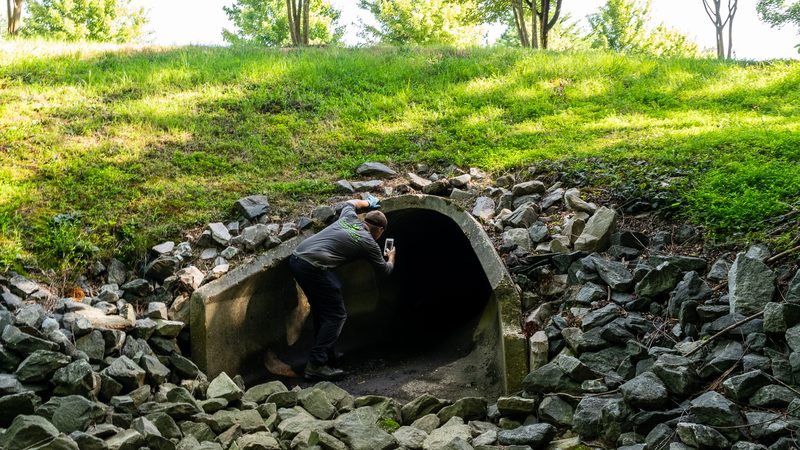
During a stormwater inspection, Dragonfly Pond Works reviews the device, the banks, the inlets and outlets, and the surrounding area. We document what we find with photos and notes and explain anything that needs attention in plain language.
We prioritize compliance, because an inspection is only useful if it tells you where you stand.
Key Benefits of Stormwater BMP Inspections
Know Where You Stand
A BMP inspection shows the current condition of each stormwater device on the property, so there is no question about what needs work.
Findings in Plain Language
We explain results without jargon, so board members, facility managers, and community members can follow along.
Documentation Built for Review
Photos and notes are organized so they are easy to share with regulators, engineers, and property owners.
Small Issues Caught Early
A regular compliance inspection finds erosion, clogging, and damage while they are still minor.
A Clear Path to Correction
When something needs repair, we outline the options and what each one addresses.
Confidence for the People Responsible
Facility managers, municipalities, and HOA boards carry the responsibility for their devices. A documented inspection gives them a clear record of where things stand.
From The Field
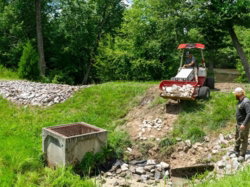
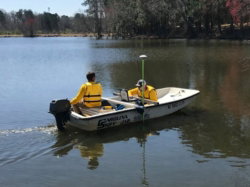
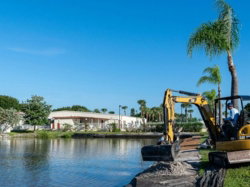
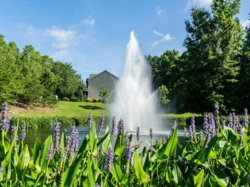
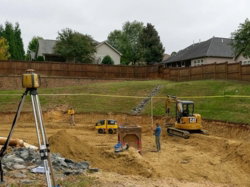
Service Photos

How It Works
Review the Requirements
We start with the device type and the conditions that apply to your property and your area.
Walk the Device
Our crews inspect the structure, the banks, the inlets, the outlets, and the water itself.
Document the Findings
We photograph what we see and record the condition of each part of the device.
Explain the Results
We walk you through the inspection findings and note anything that needs attention.
Plan the Next Step
If work is needed, we outline the options and provide a detailed photo report.
Why Stormwater BMP Inspections is Important
Stormwater devices are subject to rules that vary from one jurisdiction to the next. Whatever the local requirements, the responsibility to keep the device working rests with the property.
An inspection is how that responsibility gets managed. It shows the condition of the device, creates a record, and gives the people in charge time to correct issues before they become violations. A well-kept device also keeps the site presentable for residents and visitors.
Stormwater BMP Inspections FAQs
Answers to our most common questions about this service. If you have a different question not answered here, get in touch.
Inspection frequency depends on the device type and the requirements for your property. We review those requirements with you and recommend a schedule that keeps you current.
We check the structure, banks, inlets, outlets, vegetation, sediment levels, and the water itself. Anything that affects how the device performs is part of the review.
Yes. Every visit comes with a detailed photo report that records the condition of each part of the device.
We explain the issue, what caused it, and the options to correct it. Dragonfly Pond Works is certified to inspect, repair, install, and reconstruct all types of stormwater devices, so the same team can handle the repair.
Yes. We inspect stormwater devices for municipalities, commercial properties, facility managers, and HOAs, from a single pond to a full system.
No. We offer free stormwater assessments as part of the estimate process, so you can see where things stand before committing to any work.