
Branch Locations:
Raleigh-Durham, Charlotte, Winston-Salem / Greensboro, Wilmington, Myrtle Beach, Charleston, Greenville-Spartanburg, Atlanta, Savannah, Orlando, Tampa, Virginia Beach, Fairfax, Montgomery County, Lewes, Chicago, Houston, Dallas-Fort Worth, San Marcos Corridor, Nashville
Have a multi-site footprint? Learn how we can work with you
Service DescriptioN
About Our Shoreline Stabilization Service
Shoreline stabilization is the work of protecting a larger lake, river, or coastal shoreline from erosion, which is the gradual loss of soil to waves, current, and runoff.
Shorelines give way for predictable reasons. Boat wakes and wind driven waves undercut the base of the bank. Storm runoff pours off lawns and pavement and cuts channels down the slope. Bare soil has nothing holding it, so each storm takes more of the edge with it. On coastal sites, tides and storm surge add to that load.
Dragonfly Pond Works reads the site before recommending anything. Where conditions allow, we favor a living shoreline, which uses native plants, coir logs, and natural materials to absorb wave energy and hold soil. Where wave exposure is heavier, we add riprap, geotubes, or a stone toe at the base, often paired with planting above.
Our goal is to protect the health, function, aesthetic appeal, and value of your shoreline together.
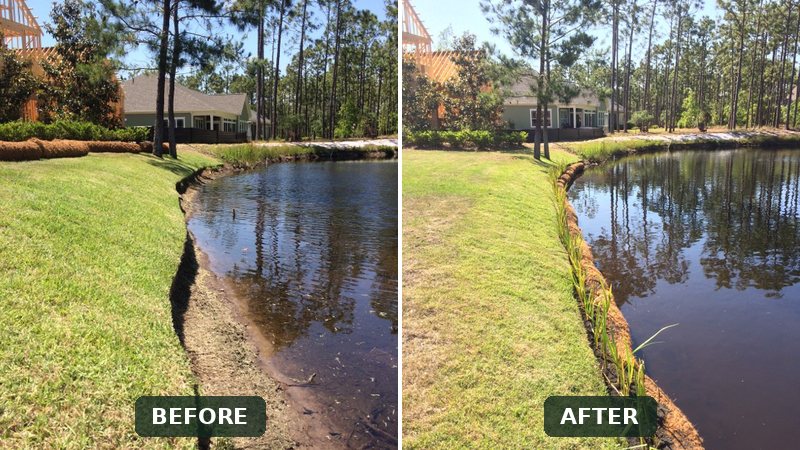
Key Benefits of Shoreline Stabilization
Stop Losing Ground
Stabilizing the edge keeps soil, lawn, and structures from slipping into the water a little more each season.
Less Sediment in the Water
Soil held on the bank does not cloud the water or fill in the shallows.
Habitat as Well as Protection
A living shoreline gives fish, birds, and other wildlife cover along the edge while it holds the bank.
Protection for Structures and Access
Docks, walls, paths, and boat ramps stay supported when the ground around them stops moving.
Methods Matched to Exposure
We scale the approach to the wave and current energy at each section of shoreline.
A Shoreline That Looks Settled
A planted, stable edge looks cared for, which residents, visitors, and community members notice.
From The Field
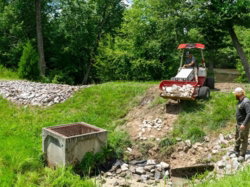
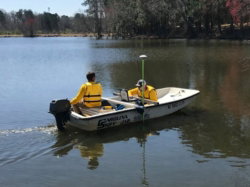
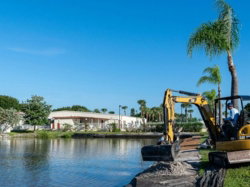
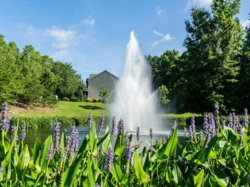
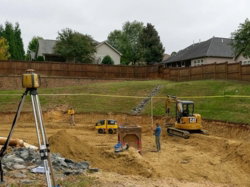
Service Photos

How It Works
Reading the Shoreline
We walk the edge and note where soil is leaving, how steep the slope is, and what is driving the loss, whether that is wakes, runoff, tides, or foot traffic.
Choosing the Approach
We match the method to the site. Sheltered sections often do best as a living shoreline, while exposed sections need riprap or geotubes to handle wave energy.
Preparing the Ground
We shape and clean the bank so the new protection sits correctly and ties into the existing grade.
Building the Protection
Our crews install the stone, fabric, logs, and plants in the planned sequence and check the work as it goes in.
Review and Reporting
We walk the finished shoreline with you and provide a detailed photo report so boards and managers can see the result.
Why Shoreline Stabilization is Important
Coastal erosion and lakeshore erosion are among the few waterbody problems that get worse on their own. Every storm takes more soil, the bank gets steeper, and the repair gets larger and more costly.
Shoreline stabilization done early protects the land, the water, and the improvements between them. We prioritize practical work that holds up over time, and our standard is to leave the shoreline in better shape than we found it.
Shoreline Stabilization FAQs
Answers to our most common questions about this service. If you have a different question not answered here, get in touch.
A living shoreline uses plants, fiber logs, and natural materials, sometimes with a low stone base, to protect the edge. It absorbs wave energy and grows stronger as roots establish, while keeping habitat along the water.
Look for steep or undercut banks, exposed roots, fallen trees, soil in the water after storms, and structures that are shifting or leaning.
Often, yes. Many sites can be protected mostly with plants and natural materials. Heavily exposed sections may still need some stone at the base.
Shoreline Restoration rebuilds eroded pond and lake banks. Shoreline stabilization focuses on larger and coastal shorelines that face ongoing wave, tide, and current energy.
We plan access and timing to keep disturbance low, and planted methods add habitat once they establish.
Yes. We work with HOAs, municipalities, facility managers, and waterfront property owners.