
Branch Locations:
Raleigh-Durham, Charlotte, Winston-Salem / Greensboro, Wilmington, Myrtle Beach, Charleston, Greenville-Spartanburg, Atlanta, Savannah, Orlando, Tampa, Virginia Beach, Fairfax, Montgomery County, Lewes, Chicago, Houston, Dallas-Fort Worth, San Marcos Corridor, Nashville
Have a multi-site footprint? Learn how we can work with you
Service DescriptioN
About Our Shoreline Restoration Service
Shoreline restoration is the repair of an eroded pond or lake bank, using structural and planted materials to hold the edge in place and rebuild what has washed away.
Pond bank erosion has a few common causes. Wind and wave action chip at the base of the bank. Runoff from lawns and pavement cuts channels down the slope. Bare soil with no roots has nothing holding it. Once the edge starts to give way, it keeps losing ground, and that soil ends up in the water as sediment.
Dragonfly Pond Works rebuilds shorelines with a mix of methods. Geotubes are fabric tubes filled with sand or sediment that form a soft structural core. Riprap is placed stone that absorbs wave energy. Grading reshapes the slope so water runs off instead of cutting in. Coir logs are natural fiber rolls that hold soil while plants take root. Wrapped soil lifts are layers of soil wrapped in fabric that form a firm edge vegetation can grow through.
Our goal is to support the health, function, aesthetic appeal, and value of your waterbody. A stable bank protects the water and the property behind it.

Key Benefits of Shoreline Restoration
Stops the Bank From Losing Ground
A rebuilt edge holds soil in place, so the shoreline stops creeping back toward lawns, paths, and structures.
Less Sediment in the Water
Soil that stays on the bank does not fill the pond, which protects depth and water quality.
Methods Matched to the Site
Each shoreline restoration plan combines stone, fabric, fiber, and plants based on the slope, the water, and how the edge is used.
A Natural Looking Edge
Planted shoreline restoration blends into the setting instead of looking like a wall of stone.
Access and Use Restored
A firm, even bank makes the water easier and safer to reach for residents and visitors.
Protects Property Value
A stable, attractive shoreline is one of the first things community members and buyers notice.
From The Field
Service Photos

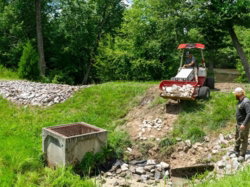
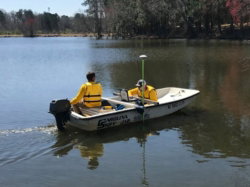
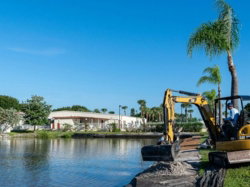
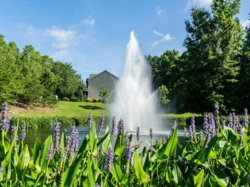
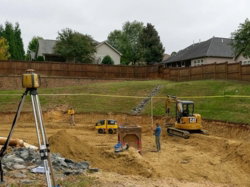
How It Works
Walk the Shoreline
We inspect the bank, note where it is failing, and look for what is driving the erosion.
Find the Cause
Wave action, runoff, slope, and loss of vegetation all shape the repair. We identify which ones are at work.
Choose the Materials
We select from geotubes, riprap, grading, coir logs, and wrapped soil lifts based on the bank and how it is used.
Prepare and Build
Our crews reshape the slope, install the materials, and plant the edge where the design calls for it, so roots take over the work.
Report and Follow Up
We document the shoreline restoration with a detailed photo report and check how the bank holds up through the seasons.
Why Shoreline Restoration is Important
A shoreline is the boundary between the water and everything around it. When that boundary fails, the damage does not stay in one place. Soil leaves the bank, settles in the pond, and reduces the depth the waterbody depends on.
That cycle repeats until the bank is repaired. Shoreline restoration breaks the loop and protects both the water and the land. We prioritize a repair that fits the site, because an edge that suits the property lasts longer than one that fights it. Our goal is to leave every site better than we found it, and a stable, planted bank is one of the most visible ways to show that.
Shoreline Restoration FAQs
Answers to our most common questions about this service. If you have a different question not answered here, get in touch.
Look for undercut or slumping banks, exposed roots, soil falling into the water, and edges that move back a little each year. Early repair is smaller and less costly.
It depends on slope, soil, wave exposure, and use. Gentle banks often do well with coir logs and plants. Steep or exposed banks may need riprap, geotubes, or wrapped soil lifts at the base.
In most cases, yes. Planted edges blend in within a season or so, and stone can be placed and partly planted to soften its look.
Restoration rebuilds a pond or lake bank that has already lost ground. Shoreline Stabilization focuses on protecting larger and coastal shorelines from ongoing wave and current energy.
Most projects take from several days to a few weeks, depending on length, access, and materials. We set a schedule during planning.
Yes. We provide shoreline restoration for HOAs, private homeowner ponds, facility managers, municipalities, and commercial properties.