
Rain Garden & Bioretention Conversions
Older detention basins were built to hold water, not to treat it, and many no longer meet current expectations. We convert aging basins into planted rain gardens and bioretention areas that filter runoff through soil and native plants while still managing volume.
Branch Locations:
Raleigh-Durham, Charlotte, Winston-Salem / Greensboro, Wilmington, Myrtle Beach, Charleston, Greenville-Spartanburg, Atlanta, Savannah, Orlando, Tampa, Virginia Beach, Fairfax, Montgomery County, Lewes, Chicago, Houston, Dallas-Fort Worth, San Marcos Corridor, Nashville
Have a multi-site footprint? Learn how we can work with you
Service DescriptioN
About Our Rain Garden & Bioretention Conversions Service
A rain garden or bioretention conversion turns an older detention basin into a planted BMP (best management practice) that filters and slows stormwater.
Bioretention means using soil and plants to hold runoff and filter it before it moves on. Many older basins were built only to hold water and release it, with little thought for water quality. A basin to BMP conversion adds soil, native plants, and grading so the basin treats runoff as it passes through. That can bring a site in line with newer stormwater rules.
Dragonfly Pond Works designs and builds each conversion with the site and its permit in mind. We handle the design details, the planting, and the documentation that supports compliance.
The result is a stormwater device that performs better, looks intentional, and gives the property a stronger position with regulators and residents alike.
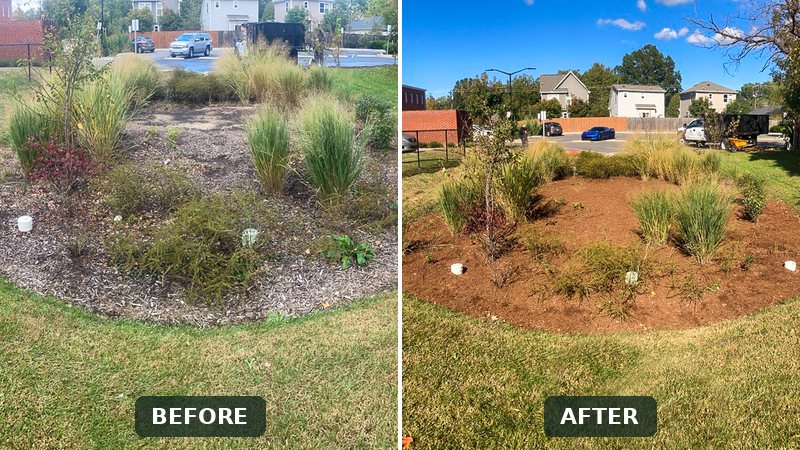
Key Benefits of Rain Garden & Bioretention Conversions
Stronger Compliance Position
A bioretention area treats runoff as well as holding it, which lines up with what many newer stormwater rules expect.
Cleaner Water Leaving the Site
Soil and plant roots filter sediment and nutrients before water reaches streams and ponds.
A Basin That Earns Its Space
A planted basin looks like part of the landscaping instead of a bare hole in the ground.
Less Long-Term Maintenance
Established native plants hold soil and need less mowing than a turf basin.
Habitat and Pollinator Value
Native plantings attract birds, butterflies, and bees, which residents, visitors, and community members enjoy.
Built and Documented
A detailed photo report documents the finished BMP for inspectors and owners.
From The Field
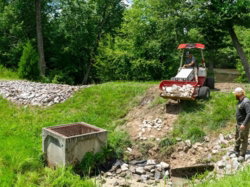
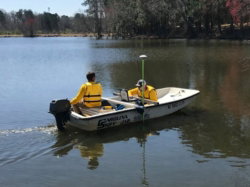
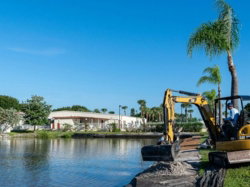
Service Photos

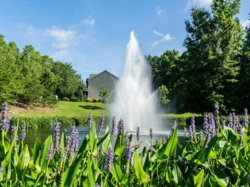
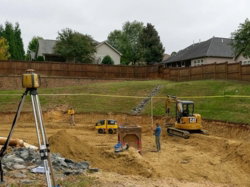
How It Works
Site and Permit Review
We look at the basin, the drainage area, and any stormwater requirements that apply to the site.
Design
We plan the grading, soil, and plant selection so the bioretention area treats runoff and holds up over time.
Construction
Our crews reshape the basin, amend the soil, and install the plantings.
Establishment
We guide the new planting while it settles in.
Reporting
You receive a detailed photo report that documents the finished conversion.
Why Rain Garden & Bioretention Conversions is Important
Stormwater rules have tightened over the years, and many older basins were never designed to treat the water they collect. That gap can show up during inspections and permit reviews.
A rain garden conversion closes the gap. It turns an aging basin into a stormwater device that filters runoff, looks better, and gives the property a defensible compliance position.
Rain Garden & Bioretention Conversions FAQs
Answers to our most common questions about this service. If you have a different question not answered here, get in touch.
A detention basin holds runoff and releases it slowly. A converted basin also filters the water through soil and plants, which improves the quality of the water leaving the site.
In many cases, yes. We review your permit requirements first and design the conversion to address them.
A mature rain garden looks like a planted bed of native grasses, flowers, and shrubs set slightly below the surrounding ground. After rain, it holds water for a short time, then drains.
It depends on the size of the basin, site access, and the planting season. We share a clear schedule before work begins.
We can include it in a maintenance program, or we can share care guidance with your team. Routine care keeps it working as designed.
Yes. We build these conversions for HOAs, facility managers, municipalities, and commercial properties.