
Pond & Lake Nutrient Reduction
Nitrogen and phosphorus wash into ponds from lawns, runoff, and decaying leaves, feeding algae and clouding the water. Dragonfly Pond Works tracks down where those inputs are coming from and lowers them so the pond can hold its improvements between treatments.
Branch Locations:
Raleigh-Durham, Charlotte, Winston-Salem / Greensboro, Wilmington, Myrtle Beach, Charleston, Greenville-Spartanburg, Atlanta, Savannah, Orlando, Tampa, Virginia Beach, Fairfax, Montgomery County, Lewes, Chicago, Houston, Dallas-Fort Worth, San Marcos Corridor, Nashville
Have a multi-site footprint? Learn how we can work with you
Service DescriptioN
About Our Pond & Lake Nutrient Reduction Service
Nutrient reduction is the work of lowering the nutrients, mainly nitrogen and phosphorus, that enter and build up in a lake or pond.
These nutrients come from fertilized lawns, runoff from roads and parking areas, leaves, and the muck that collects on the bottom. In small amounts they belong in a healthy waterbody. In large amounts they fuel algae, odors, and murky water, and pond water quality slips.
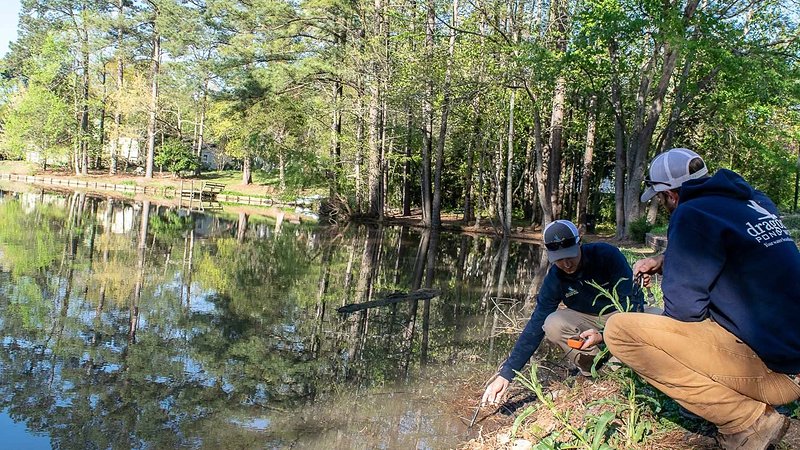
Dragonfly Pond Works treats nutrient reduction as a whole-site job. We find where nutrients are coming from and recommend steps to reduce them, both in the water and on the land around it.
We prioritize the health, function, aesthetic appeal, and value of your pond together, because each one depends on the others.
Key Benefits of Pond & Lake Nutrient Reduction
Fewer Problems Taking Root
Algae and weeds need nutrients to grow. Nutrient reduction cuts their food supply, so problems have a harder time getting started.
Steadier Conditions for Aquatic Life
Lower nutrient levels mean fewer swings in oxygen and clarity. Fish, insects, and native plants do better in steady water.
Less Odor and Muck
Excess nutrients feed the decay that causes smells and soft bottom muck. Reducing them makes the shoreline more pleasant for residents and visitors.
Clearer Water People Notice
Clearer water is often the first change community members see. It turns the pond into a feature people want to walk past and live near.
Protecting Long-Term Value
A pond that stays healthy costs less to manage over time. Nutrient reduction protects the waterbody and the property around it.
Guidance Beyond the Water
Many nutrient sources sit on land. We share practical steps for landscaping, runoff, and leaf cleanup that managers can pass along to the community.
From The Field
Service Photos

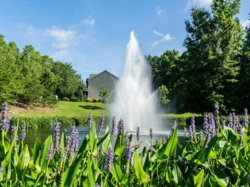
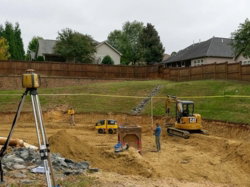
How It Works
Assess the Sources
We review the pond and the land around it to see where nitrogen and phosphorus are entering.
Find the Biggest Contributors
We focus on the inputs most likely driving recurring problems, such as runoff or stored sediment.
Recommend a Nutrient Reduction Plan
We outline practical steps for the water and the surrounding site.
Carry Out the Work
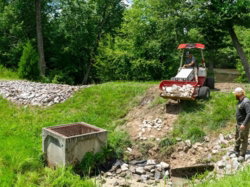
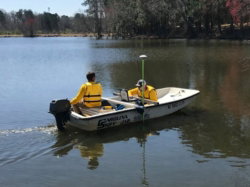
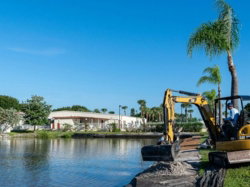
Our crews complete the in-water portion of the plan and document each visit with a detailed photo report.
Review and Adjust
We check how pond water quality is responding and refine the plan as needed.
Why Pond & Lake Nutrient Reduction is Important
When nutrients keep flowing into a pond, treatments for algae and weeds only go so far. The pond may improve for a while and then slip back into the same cycle.
Nutrient reduction gives the waterbody a better chance to recover and stay balanced. It is one of the most practical ways we strive to leave every site better than we found it.
Pond & Lake Nutrient Reduction FAQs
Answers to our most common questions about this service. If you have a different question not answered here, get in touch.
Most pond water quality problems trace back to extra nutrients, mainly nitrogen and phosphorus. Signs include frequent algae blooms, murky water, odors, and soft muck on the bottom.
No. Algae treatment manages the growth you can see. Nutrient reduction lowers what feeds that growth, so the pond is less likely to slip back after each treatment.
Yes. Keeping fertilizer, grass clippings, and leaves out of the water makes a real difference. We share simple steps that managers can pass along to residents and community members.
Yes. The approach is scaled to the waterbody. A private homeowner pond may need a few targeted steps, while a community lake may need a broader plan.
Some ponds improve with a single round of work. Most do better with ongoing nutrient reduction, since runoff and leaves keep adding nutrients every season.
We track changes in clarity, algae growth, and odor and record them in photo reports. Over time, steadier pond water quality is the clearest sign.