
Non-Lethal Goose & Waterfowl Control
Resident goose flocks damage turf, foul walkways, and frustrate community members who use the property. Our wildlife specialists reduce problem flocks through humane deterrents, habitat modifications, and permitted egg management without harming the birds.
Branch Locations:
Raleigh-Durham, Charlotte, Winston-Salem / Greensboro, Wilmington, Myrtle Beach, Charleston, Greenville-Spartanburg, Atlanta, Savannah, Orlando, Tampa, Virginia Beach, Fairfax, Montgomery County, Lewes, Chicago, Houston, Dallas-Fort Worth, San Marcos Corridor, Nashville
Have a multi-site footprint? Learn how we can work with you
Service DescriptioN
About Our Non-Lethal Goose & Waterfowl Control Service
Non-lethal goose and waterfowl control is the use of humane deterrent methods to reduce the number of resident geese and other waterfowl causing problems on a property.
Canada geese and other waterfowl congregate on lawns, sports fields, golf courses, and pond shorelines. Large flocks leave droppings, erode turf, degrade water quality, and create conflicts with residents and visitors. Non-lethal programs use a combination of deterrents, habitat modification, and, where permitted, egg management to bring populations to a manageable level.
Dragonfly Pond Works designs and carries out non-lethal waterfowl control programs for communities, commercial properties, and public facilities.

Key Benefits of Non-Lethal Goose & Waterfowl Control
Humane, Non-Lethal Methods
All methods are designed to deter geese without harming them, using approaches that comply with federal and state migratory bird regulations.
Cleaner Grounds and Shorelines
Reducing the goose population on the property means less droppings on lawns, walkways, docks, and recreational areas.
Better Water Quality
Goose droppings are a significant source of nutrients and bacteria in ponds and lakes. Fewer geese on the shoreline means less nutrient loading.
A Multi-Tool Approach
We combine visual deterrents, auditory devices, border modifications, and trained dogs or other hazing methods to keep geese from settling in.
Egg Management Where Permitted
Where a federal egg depredation permit allows, we treat eggs to prevent hatching and reduce the next generation of resident geese.
Programs Scaled to the Property
We design the program to match the size of the flock, the layout of the property, and the level of control the property owner needs.
From The Field
Service Photos

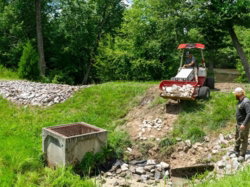
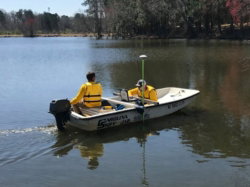

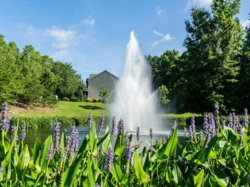
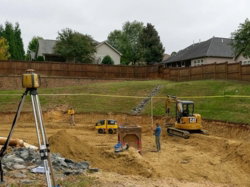
How It Works
Site Assessment
We survey the property to count the flock, map where geese are feeding and nesting, and identify the features that attract them.
Program Design
We recommend a combination of deterrent methods based on the property layout, flock size, and the results the property owner expects.
Deterrent Installation and Hazing
Crews install deterrent devices, modify shoreline habitat, and begin hazing activities to push geese off the property.
Egg Management
Where a federal permit allows, we locate nests and treat eggs during the nesting season to limit flock growth.
Monitoring and Adjustment
We track flock size and behavior throughout the season and adjust methods as geese adapt to the deterrents in place.
Why Non-Lethal Goose & Waterfowl Control is Important
A resident goose flock that is left unmanaged will grow each year as adults return to the same site and young birds stay with the flock. The droppings, turf damage, and water quality problems grow with it.
A non-lethal control program addresses the problem before it escalates, using methods that are humane and compliant with migratory bird laws.
Non-Lethal Goose & Waterfowl Control FAQs
Answers to our most common questions about this service. If you have a different question not answered here, get in touch.
Resident Canada geese do not migrate. They stay on or near the property where they were raised, especially when open water, mowed turf, and few predators are present.
Yes, when multiple methods are used together and applied consistently. Geese adapt to a single deterrent, so the program rotates and combines approaches.
Yes. Egg management requires a federal depredation permit issued by the U.S. Fish and Wildlife Service. We assist with the permit application and conduct the work under its terms.
Geese displaced from one property may move to nearby areas. The goal is to make your property less attractive so they choose other sites. Coordinated programs with neighboring properties are most effective.
Flock numbers typically begin to decline within the first season. Long-term control requires a sustained program over multiple years.
Yes. We provide goose and waterfowl control for homeowners associations, parks departments, golf courses, corporate campuses, and other properties with large open areas near water.