
Branch Locations:
Raleigh-Durham, Charlotte, Winston-Salem / Greensboro, Wilmington, Myrtle Beach, Charleston, Greenville-Spartanburg, Atlanta, Savannah, Orlando, Tampa, Virginia Beach, Fairfax, Montgomery County, Lewes, Chicago, Houston, Dallas-Fort Worth, San Marcos Corridor, Nashville
Have a multi-site footprint? Learn how we can work with you
Service DescriptioN
About Our Mechanical Dredging Service
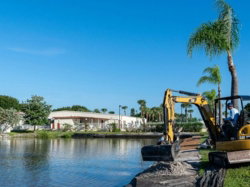
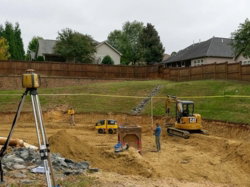
Mechanical dredging is the removal of built up sediment from a pond or lake using equipment such as an excavator, a long reach machine, or a clamshell bucket.
Soil, leaves, and organic material wash into a waterbody and settle on the bottom year after year. That soft layer, often called muck, takes up depth and storage. Shallow water warms faster, holds less oxygen, and grows more algae and nuisance plants.
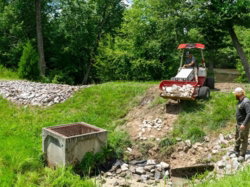
Mechanical equipment lifts that material out so it can be dried and hauled away. It is often the right choice for smaller ponds, for areas around docks, pipes, and outfalls, and for sites where the sediment is coarse or mixed with debris that would clog a pump. In some cases the pond is partly drawn down so machines can reach the bottom from the bank.
Dragonfly Pond Works reviews the pond, the sediment, and how the site is used before recommending a method. Our goal is to restore the health, function, aesthetic appeal, and value of your waterbody together, and depth is the foundation the rest depend on.

Key Benefits of Mechanical Dredging
Restores Depth and Storage
Removing sediment returns the volume the pond was built with, so it holds more water and handles storms better.
Pond Muck Removal You Can See
Taking out the soft bottom layer cuts odor and removes the material that feeds weeds and algae.
Works in Tight Spots
Excavators and long reach machines can work around docks, outfalls, and structures where a floating dredge cannot.
Handles Coarse Material and Debris
Rock, roots, and trash mixed into the sediment are no problem for a bucket.
A Clearer, More Inviting Pond
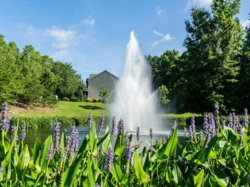
Deeper water stays cooler and clearer, which residents and visitors notice from the shore.
Documented From Start to Finish
A detailed photo report records the work so boards and managers can share results with community members.
From The Field
Service Photos

How It Works
Inspect the Pond
We review visible conditions, maintenance history, and depth readings to see where sediment has built up.
Measure the Sediment
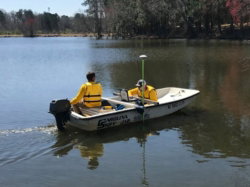
A sediment study maps the bottom and estimates how much material has accumulated, so the scope is based on measured volumes.
Choose the Method
We compare mechanical and hydraulic dredging based on access, sediment type, and how the site is used.
Plan Access and Handling
We map equipment routes, staging areas, and drying areas, and we review any permits that apply.
Remove, Dry, and Haul
Our crews lift the sediment out, let it drain, and haul it off site. A detailed photo report documents the finished work.
Why Mechanical Dredging is Important
Sediment is the slowest and quietest problem a pond faces. It arrives a little at a time, so the change is easy to miss until the water is shallow, the weeds are thick, and the pond no longer holds what it used to.
By then, the cost of waiting is often larger than the cost of the work. Pond dredging restores the depth the pond was built with and gives the rest of your maintenance program a better starting point. We prioritize a site specific approach, because the right method depends on the pond, and mechanical dredging is the better fit at many smaller or tighter sites.
Mechanical Dredging FAQs
Answers to our most common questions about this service. If you have a different question not answered here, get in touch.
It is sediment removal with excavating equipment that digs material out of the pond rather than pumping it. It works best for smaller ponds, tight access, and coarse or debris heavy sediment.
Common signs include shallow areas that used to be deep, thick weed growth, odor, and inlets or outlets that are partly buried. A sediment study confirms how much material is there.
Not in every case. Some work is done from the bank with the water in place. Other sites need a partial drawdown so equipment can reach the bottom.
It is drained and dried on site, then hauled to an approved location.
Yes. Working close to structures is one of the main reasons to choose a mechanical approach.
We review the permits that apply to the site during planning and coordinate the paperwork as part of the project.