
Hydraulic Dredging
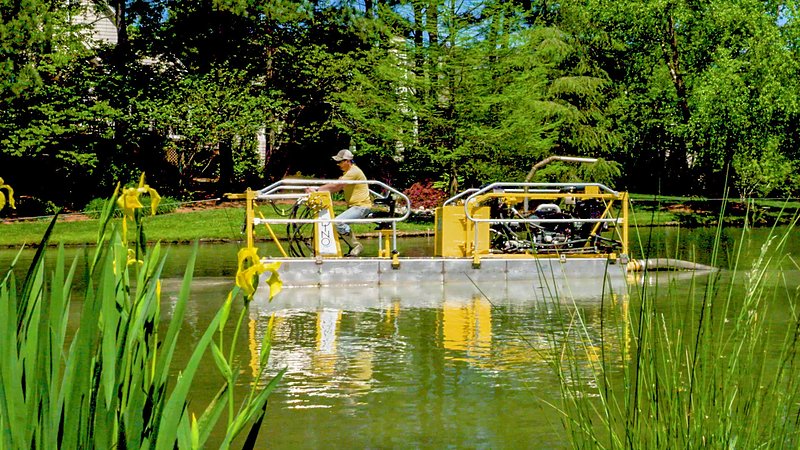
Large or deep ponds that need sediment removed without draining call for a method that works from the water. Our hydraulic dredge pumps the material through a pipeline to geotextile tubes on shore, where it dewaters and suitable material can be reused to rebuild the bank.
Branch Locations:
Raleigh-Durham, Charlotte, Winston-Salem / Greensboro, Wilmington, Myrtle Beach, Charleston, Greenville-Spartanburg, Atlanta, Savannah, Orlando, Tampa, Virginia Beach, Fairfax, Montgomery County, Lewes, Chicago, Houston, Dallas-Fort Worth, San Marcos Corridor, Nashville
Have a multi-site footprint? Learn how we can work with you
Service DescriptioN
About Our Hydraulic Dredging Service
Hydraulic dredging is a method of pond dredging that pumps a mix of water and sediment through a pipeline to a dewatering area, so the pond can stay filled while the bottom is cleaned out.
A floating dredge with a cutter or suction head loosens the material on the bottom. A pump moves the slurry through the pipeline to geotextile tubes or a settling area on shore. Water drains out of the tubes and returns to the pond, while the solids stay behind.
Because the material travels by pipeline, this method disturbs far less shoreline than digging from the bank. It suits larger volumes of soft sediment, deeper water, and sites where heavy equipment along the edge would damage lawns, plantings, or structures.
Dragonfly Pond Works reviews the pond, the sediment, and the site before recommending a method. Where the material tests suitable, we reuse sediment from pump and hydraulic dredging to rebuild eroded shorelines on the same property. Our goal is to restore the health, function, aesthetic appeal, and value of your waterbody together.
Key Benefits of Hydraulic Dredging
Depth Restored With Less Disruption
The pond stays in place and in use while the dredge works, with very little traffic across lawns and banks.
Built for Larger Volumes
Pipeline transport moves soft sediment steadily over long distances, which suits larger ponds and lakes.
Sediment Put Back to Work
Suitable material can be reused to rebuild eroded banks, keeping clean soil on the property instead of trucking it away.
Careful Handling of Return Water
Geotextile tubes hold the solids while filtered water returns to the pond.
Steadier Water Quality
Removing nutrient rich muck cuts the fuel for algae and weeds and lets the pond hold more water.
A Pond Residents and Visitors Enjoy Again
Deeper, clearer water looks better from every view and gives community members a pond they can use.
From The Field
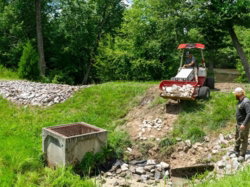
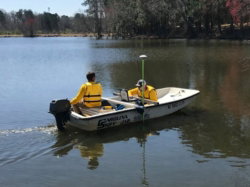
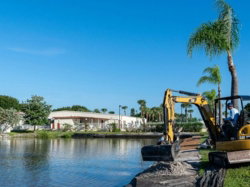
Service Photos

How It Works
Inspect and Define the Problem
We review conditions, maintenance history, and depth readings to confirm that sediment is the issue.
Survey the Bottom
A sediment study maps the pond floor and estimates the volume of accumulated material.
Test the Sediment
Sampling tells us how the material should be handled and whether it can be reused on site.
Plan the Pipeline and Dewatering
We map the pipeline route and the dewatering area, and we review the permits that apply.
Dredge, Dewater, and Report
The dredge pumps sediment to the containment area, where solids separate from water. We document the work with a detailed photo report and review the results with you.
Why Hydraulic Dredging is Important
Every pond loses depth. Sediment washes in from the surrounding land, settles, and stays. As it builds, the pond holds less water, warms faster, and grows more algae and weeds.
Hydraulic dredging addresses that buildup while the pond stays in service. For communities and commercial sites, that means less disruption to residents, tenants, and the grounds around the water.
The work still takes careful planning. Sediment and return water have to be managed from start to finish, and we prioritize that planning from the first site visit. Done well, pond dredging resets the pond and makes every other maintenance task easier.
Hydraulic Dredging FAQs
Answers to our most common questions about this service. If you have a different question not answered here, get in touch.
Hydraulic dredging pumps sediment through a pipeline while the pond stays full. Mechanical dredging digs material out with an excavator, often from the bank. The hydraulic approach suits larger volumes of soft sediment and sites where shoreline disturbance should be kept low.
Usually not. The pond stays filled, and most of the activity happens on the water and at the dewatering area.
It drains through geotextile tubes or a settling area and returns to the pond once the solids have settled out.
Often, yes. When testing shows the material is suitable, we reuse it to rebuild eroded shorelines or fill low areas on the same site.
It depends on the volume of sediment, the size of the pond, and access to a dewatering area. We give you a schedule during planning.
Yes. We provide sediment removal for community and private ponds and lakes, stormwater ponds, and municipal waterbodies.