
Environmental Site Assessments
Buying or developing property without checking for contamination can turn an investment into a liability. Our assessment team conducts Phase I record reviews and, when needed, Phase II soil and groundwater sampling to document conditions before a deal closes.
Branch Locations:
Raleigh-Durham, Charlotte, Winston-Salem / Greensboro, Wilmington, Myrtle Beach, Charleston, Greenville-Spartanburg, Atlanta, Savannah, Orlando, Tampa, Virginia Beach, Fairfax, Montgomery County, Lewes, Chicago, Houston, Dallas-Fort Worth, San Marcos Corridor, Nashville
Have a multi-site footprint? Learn how we can work with you
Service DescriptioN
About Our Environmental Site Assessments Service
An environmental site assessment evaluates a property for potential contamination from past or present uses. The assessment follows the ASTM standards that lenders, buyers, and regulators rely on.
A Phase I assessment reviews the history, records, and physical condition of the site without sampling. If the Phase I identifies potential concerns, a Phase II assessment collects soil, groundwater, or soil-gas samples to confirm whether contamination is present.
Dragonfly Pond Works performs Phase I and Phase II environmental site assessments for commercial, industrial, and development properties.
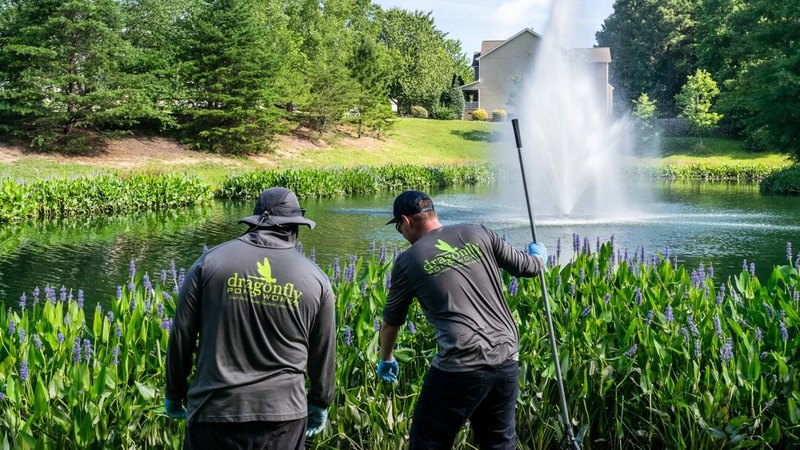
Key Benefits of Environmental Site Assessments
Liability Understood Before Closing
A Phase I assessment is a standard part of commercial real estate due diligence. It identifies recognized environmental conditions before ownership transfers.
ASTM-Compliant Reports
Our assessments follow ASTM E1527 for Phase I and ASTM E1903 for Phase II, meeting the standards lenders and agencies require.
Contamination Confirmed or Ruled Out
A Phase II assessment provides sampling data that shows whether contamination is present, where it is, and how extensive it may be.
Financing Requirements Satisfied
Most commercial lenders require a Phase I before issuing a loan. Our reports are formatted to meet their review criteria.
A Clear Path Forward
When the assessment identifies issues, we outline the next steps, whether that is additional investigation, remediation, or a no-further-action determination.
Experienced Field Scientists
Our team has conducted assessments on a wide range of property types, from gas stations and dry cleaners to manufacturing facilities and undeveloped land.
From The Field
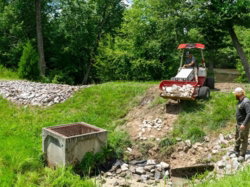
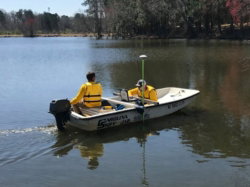
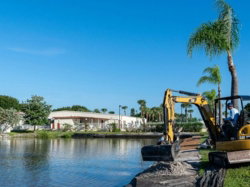
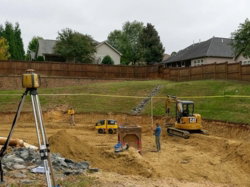
Service Photos

How It Works
Scope and Records Review
We review the property history, regulatory databases, historical aerial photographs, and prior environmental reports to identify potential concerns.
Site Reconnaissance
A scientist walks the property and adjacent land, looking for staining, storage tanks, chemical storage, and other indicators of past or current contamination.
Interviews
We interview the property owner, tenants, and local officials to gather information about current and former site uses.
Phase I Report
We compile the findings into an ASTM-compliant report that identifies recognized environmental conditions and recommends whether further investigation is needed.
Phase II Sampling (If Needed)
If the Phase I identifies concerns, we collect soil, groundwater, or soil-gas samples, send them to a certified laboratory, and report the results.
Why Environmental Site Assessments is Important
Environmental contamination can be expensive to clean up, and liability follows the property regardless of who caused it. A site assessment protects the buyer, lender, and developer by identifying problems before a transaction or project moves forward.
The assessment also qualifies the buyer for certain liability protections under federal law, making it a practical and legal necessity for most commercial property purchases.
Environmental Site Assessments FAQs
Answers to our most common questions about this service. If you have a different question not answered here, get in touch.
A Phase I reviews the history and condition of the property without sampling. A Phase II collects and analyzes soil, groundwater, or soil-gas samples to determine whether contamination is present.
Most commercial lenders require a Phase I before issuing a loan. Buyers also use Phase I assessments as part of due diligence to identify environmental risks before closing.
A typical Phase I takes 2 to 4 weeks from authorization to report delivery, depending on the complexity of the property and the availability of records.
If the Phase I identifies recognized environmental conditions, we recommend a Phase II assessment to collect samples and determine whether contamination is present.
Any commercial, industrial, or development property can benefit from an assessment. Properties with a history of manufacturing, fuel storage, dry cleaning, or agricultural chemicals are common candidates.
Yes. Our Phase I and Phase II reports follow the current ASTM standards and are formatted to meet the review requirements of lenders, government agencies, and legal counsel.