
Conservation Area & Easement Management
Protected land comes with legal obligations that do not pause between growing seasons. Dragonfly Pond Works provides the invasive species control, monitoring, and reporting that keep conservation areas and easements compliant and ecologically healthy.
Branch Locations:
Raleigh-Durham, Charlotte, Winston-Salem / Greensboro, Wilmington, Myrtle Beach, Charleston, Greenville-Spartanburg, Atlanta, Savannah, Orlando, Tampa, Virginia Beach, Fairfax, Montgomery County, Lewes, Chicago, Houston, Dallas-Fort Worth, San Marcos Corridor, Nashville
Have a multi-site footprint? Learn how we can work with you
Service DescriptioN
About Our Conservation Area & Easement Management Service
Conservation area and easement management is the ongoing care of land that has been set aside for ecological, agricultural, or open-space protection under a legal agreement.
A conservation easement places permanent restrictions on how the land can be used. The property owner or easement holder is responsible for maintaining the site, controlling invasive species, and meeting the management plan that accompanies the easement.
Dragonfly Pond Works provides the fieldwork, monitoring, and reporting that keep conservation areas and easements in compliance and in good ecological condition.

Key Benefits of Conservation Area & Easement Management
Easement Obligations Met
Regular management and reporting keep the property in compliance with easement terms and the expectations of the easement holder.
Invasive Species Kept in Check
Conservation areas attract invasive plants and animals over time. Scheduled control work protects the native habitat the easement was created to preserve.
Habitat That Improves Over Time
Active stewardship, such as prescribed fire, selective planting, and invasive removal, helps the site move toward the ecological goals set out in the management plan.
Accurate Monitoring Records
We document conditions with photos, maps, and written reports so landowners and agencies have a clear record of site health.
Forestry and Timber Stand Care
For forested easements, we manage timber stands, control understory invasives, and protect regenerating areas.
One Team for the Whole Property
We handle vegetation management, wildlife surveys, reporting, and restoration under one program so nothing falls through the cracks.
From The Field
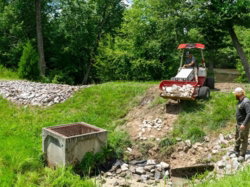
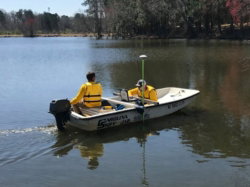
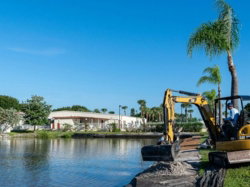
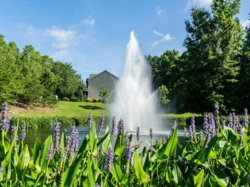
Service Photos

How It Works
Management Plan Review
We review the easement terms and existing management plan to understand the required activities and reporting schedule.
Baseline Assessment
We walk the property, map plant communities and invasive species, and note any threats to habitat quality.
Scheduled Fieldwork
Crews carry out the stewardship activities the plan calls for, such as invasive control, native plantings, trail maintenance, or prescribed burning.
Monitoring and Reporting
We collect data on plant cover, wildlife use, and site conditions, then prepare the monitoring reports required by the easement holder.
Adaptive Adjustments
As conditions change, we recommend updates to the management plan and adjust our work accordingly.
Why Conservation Area & Easement Management is Important
A conservation easement protects the land on paper, but the land itself still needs care. Without active management, invasive species move in, habitat quality declines, and the property can fall out of compliance with the easement terms.
Ongoing stewardship keeps the ecological value of the site intact and protects the investment that went into conserving it.
Conservation Area & Easement Management FAQs
Answers to our most common questions about this service. If you have a different question not answered here, get in touch.
A conservation easement is a legal agreement between a landowner and an easement holder, usually a land trust or government agency, that permanently limits certain uses of the property to protect its ecological or open-space value.
The landowner or the organization named in the easement agreement is responsible. Many landowners hire a qualified contractor to handle the fieldwork and monitoring on their behalf.
Common tasks include invasive species control, native plant installation, prescribed burning, erosion repair, and wildlife monitoring. The specific work depends on the management plan.
Most easements require annual monitoring reports, though the schedule is set in the management plan. We prepare the reports and photos the easement holder expects.
Yes. We provide forestry services such as timber stand improvement, understory invasive control, and regeneration monitoring.
Yes. We work alongside land trusts, state agencies, and federal programs to meet the stewardship standards they set for conservation properties.